- Free Shipping for orders over $100
- 15% Welcome Discount
- Third-party lab tested
- Satisfaction Guarantee

Have you ever witnessed your dog spinning in circles before lying down or burying their toys?
These behaviors may appear baffling at first, but they actually have fascinating explanations rooted in canine psychology and evolutionary history. Join us as we unravel the mysteries behind these quirky habits, offering practical tips for interpreting and addressing them.
Understanding dog behaviors is crucial for any pet owner. Dogs communicate with us not only through barks and whines but also through their body language.By paying attention to various cues, you can gain insights into your dog’s emotions, needs, and overall well-being. We’ll delve into the fascinating world of dog behavior, decoding the messages behind common actions and expressions.
You might think it’s all about happiness, but hold your treats – there’s more to it! The speed, height, and direction of that wag can spill the beans on excitement, joy, or even a little insecurity. So, keep an eye on that tail for some canine clues!
they’re not just there to make dogs look adorable. Erect ears signal alertness, while flattened ones hint at fear or submission. It’s like your dog’s way of broadcasting their emotions loud and clear. Ears up? Something’s interesting. Ears down? It’s time for a comforting cuddle.
It’s a powerful form of communication in the canine world. Direct eye contact can convey confidence, trust, and respect. However, prolonged staring may be perceived as a threat, leading to discomfort or aggression. Knowing when your dog welcomes eye contact and when they find it threatening is key to fostering a strong bond.
Barking is a versatile means of communication for dogs. Different types of barks may indicate excitement, fear, alertness, or even loneliness. Understanding the context, pitch, and frequency of your dog’s barks can help you respond appropriately. Additionally, recognizing the difference between a playful bark and a warning bark is crucial for effective communication.
It’s a natural behavior for dogs, serving various purposes. Puppies often chew to alleviate teething discomfort, while adult dogs may chew as a stress-relief mechanism. Providing appropriate chew toys not only satisfies this instinct but also prevents destructive chewing on furniture or other belongings.
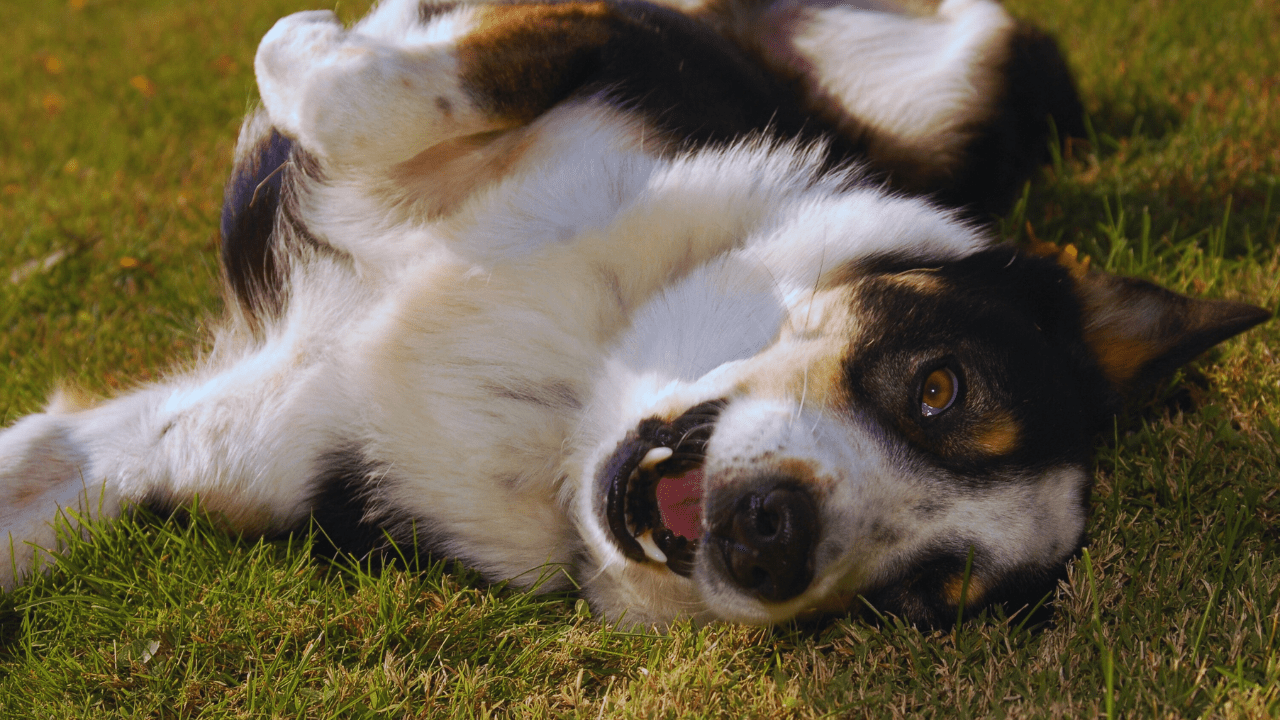
Have you ever thought about why your dog rolls over? It’s not just for belly rubs – though who can resist that? Sometimes, it’s a playful gesture, and other times, it’s a show of vulnerability. Context is key here, folks. So, roll with it, and you’ll decode your dog’s rolling rendezvous.
Raising a paw can have different meanings depending on the context. In playful situations, it may indicate a desire to engage, while in other instances, it could be a sign of uncertainty or anxiety. Understanding the surrounding cues helps interpret the message accurately.
Dogs experience the world primarily through their sense of smell. Sniffing is their way of gathering information about their surroundings, other animals, and even people. Allowing your dog to sniff during walks is not only a natural behavior but also a mentally stimulating activity that contributes to their overall well-being.
It’s a vocalization that dogs use to express a range of emotions. It could indicate discomfort, anxiety, excitement, or a need for attention. Understanding the context and accompanying body language is crucial in deciphering the specific message your dog is trying to convey.
It’s a clear sign of fear or submission. When a dog feels threatened or anxious, they may tuck their tail between their legs to protect their vulnerable underbelly. Recognizing this body language is essential in creating a safe and secure environment for your furry friend.





No account yet?
Create an Account